

Understanding Malaysia’s Personal Income Tax Brackets
A clear breakdown of how Malaysian tax brackets work, what rates apply at each income level, and how to calculate your estimated tax liability.
Read ArticleDiscover the deductions and reliefs that can significantly reduce your taxable income and boost your refund potential.

Most taxpayers in Malaysia leave money on the table every year. They don’t realize that tax reliefs aren’t just one-size-fits-all deductions — there’s actually quite a bit of flexibility in what you can claim. The difference between filing your taxes without exploring reliefs and doing it strategically? It’s often hundreds of ringgit in your pocket.
Here’s what we’re covering: individual personal reliefs, life insurance deductions, education fees relief, and several other categories you might not know existed. We’ll walk through what qualifies, how to calculate them, and most importantly — which ones apply to your specific situation.

Personal relief is the baseline that almost everyone qualifies for. It’s not fancy or complicated — it’s just a fixed deduction amount that reduces your overall taxable income. For 2026, the basic personal relief stands at RM3,000 for residents.
But here’s where it gets interesting: you can claim additional relief amounts depending on your situation. If you’re married, you get extra relief. If you’re supporting children or elderly parents, there’s relief for that too. We’ve seen taxpayers increase their total relief by 50% or more just by knowing which categories apply to their household.


Your life insurance premiums can actually reduce your taxable income — but only if you’re claiming them correctly. You’re entitled to relief on life insurance premiums up to RM6,000 per year. That’s a solid amount if you’re paying attention.
Beyond insurance, there’s also EPF contributions. If you’re self-employed or freelancing, your voluntary EPF contributions up to RM60,000 annually qualify for relief. Plus, if you’re contributing to a Private Retirement Scheme (PRS), that’s another RM3,000 in annual relief. The key thing? These don’t just apply if you’ve got a day job — they work for anyone with taxable income.
Don’t skip this section if you’re self-employed. We’ve worked with freelancers who weren’t claiming PRS relief at all and ended up reducing their taxes by nearly 10% once they started properly documenting their contributions.
Got kids in school or university? You’re eligible for education fees relief up to RM6,000 per child annually. This covers tuition fees, but also registration fees, exam fees, and even equipment purchases if they’re essential for coursework.
Here’s what trips people up: the relief applies to any child you’re supporting, not just your biological children. If you’re helping a niece through university or supporting a younger sibling’s education, those expenses can qualify. You’ll need to keep receipts though — the tax office wants to see proof of the actual fees paid.


Medical relief covers a lot more than you’d expect. It’s not just doctor visits — it includes dental work, optical expenses, and prescribed medicines. You can claim up to RM5,000 for yourself and your spouse, plus another RM5,000 for each dependent.
The catch? These need to be paid to qualified healthcare providers. That means registered doctors, dentists, and optometrists — not wellness centers or unverified practitioners. Keep your receipts and prescriptions because the tax office might ask to see them.
We’ve seen people miss this relief entirely because they didn’t realize their dental implants or eye surgery qualified. If you had any significant medical expenses last year, it’s worth digging through your records.
Beyond the main categories, there are several other reliefs that apply to specific situations. Here’s what you should know about:
If you’re supporting elderly parents, you can claim RM4,000 per parent. This covers expenses for their care, medical costs, or living expenses if they live with you.
You or a dependent with disabilities qualify for RM6,000 in relief. This includes costs for mobility aids, specialized care, or equipment.
Renting your home? You can claim relief up to RM3,000 annually. You’ll need to provide proof of rent payments and the landlord’s details.
Religious donations to approved institutions qualify for relief. Keep receipts from the organization showing the donation date and amount.
Professional fees for specialists like architects, engineers, or accountants can qualify if they’re business-related and you’re self-employed.
Working from home? A portion of your rent, utilities, and internet can be deducted. Calculate it based on the percentage of space used for work.
Here’s the reality — claiming a relief means nothing without proper documentation. The tax office doesn’t just take your word for it. You need receipts, invoices, payment proof, and supporting documents for every single relief you claim.
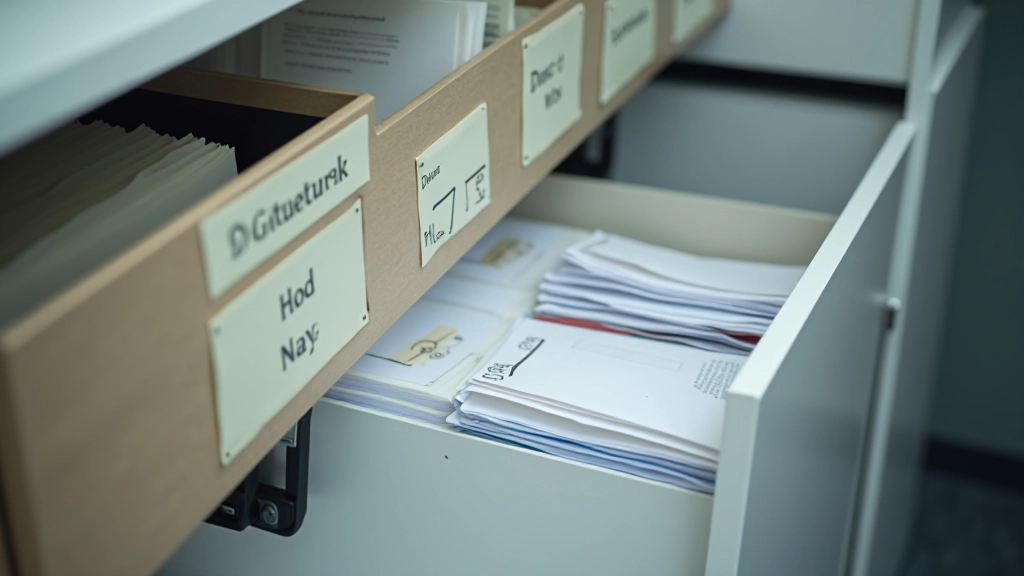
Start organizing now, not when you’re filing in March. Create separate folders for each relief category — insurance receipts in one place, education fees in another, medical bills in a third. Digital scans work fine, but keep originals for 7 years. That’s how long the tax office can ask for documentation if they audit you.
For life insurance, you’ll need the policy document and annual premium statements. For education, keep the fee receipts from the school or university. For medical expenses, get itemized receipts showing what was treated and the cost. Don’t estimate — actual figures only.
Tax reliefs aren’t complicated — they’re just easy to overlook. The difference between a basic tax return and an optimized one is often thousands of ringgit. You’ve got personal relief, life insurance relief, education fees, medical expenses, and several other categories all waiting to reduce your tax bill.
The process is straightforward: identify which reliefs apply to you, gather your documentation, calculate the amounts, and report them on your tax return. The tax office makes it easier every year with their online filing system — you can claim everything from home in about 30 minutes if you’re organized.
Don’t leave money on the table. Go through each relief category we’ve covered, check which ones match your situation, and start collecting receipts now for next year. Your future self will thank you when that refund hits your account.
Ready to explore more about filing your taxes efficiently? Check out our guide on tax filing deadlines and important dates to ensure you don’t miss anything crucial.
Learn About Tax Deadlines


This article provides educational information about tax relief categories in Malaysia. It’s not tax advice, and circumstances vary widely from person to person. Tax regulations change, and what applies in one situation might not apply in another. We strongly recommend consulting with a qualified tax professional or certified accountant before making any tax-related decisions. They can review your specific situation, ensure you’re claiming everything you’re entitled to, and keep you compliant with current regulations. The information here is accurate as of March 2026, but always verify current rates and requirements with the Inland Revenue Board (IRB) or your tax advisor.